

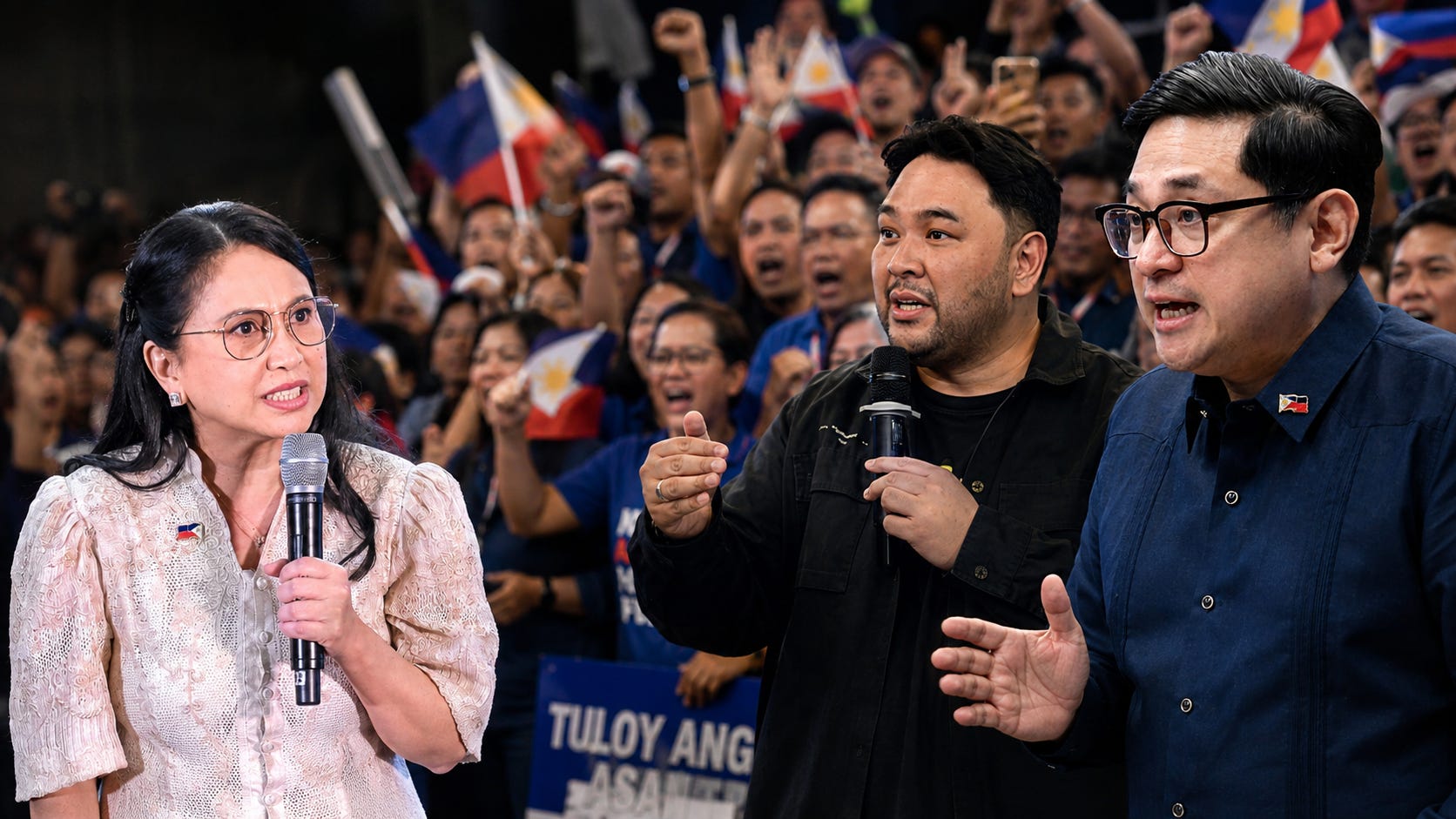
The Department of Trade and Industry, or DTI, drafted a policy that would have required every business in the Philippines to get a government permit before running any advertisement or sales promotion. This covers your Facebook ad, your sponsored post, your YouTube promo video, and even your billboard. Senator Bam Aquino called it an extra burden on small businesses that are already struggling. Influencer and digital economy advocate Carlo Ople was more direct — he said the policy would kill small businesses and only protect the big players who could afford the process.
WHAT DTI WANTED
Talking point 3: The 30-working-day waiting period
Before you could run any ad or promo, you would need to file an application with the DTI at least 30 working days in advance. That is six weeks of waiting before you could tell the public about your sale, your new product, or your latest offer. For a small business that runs flash sales or reacts to trends online, that kind of delay does not just slow you down — it shuts you out.
The permit fees — ₱975 to ₱9,295 per advertisement
On top of the waiting, you would also have to pay. Each advertisement would come with a permit fee ranging from ₱975 to ₱9,295. Not per campaign. Per ad. If you are a small online seller running multiple promotions a month, those fees add up fast. For a business operating on thin margins, this is not a small inconvenience — it is a real threat to survival.
BAM AQUINO PUSHED BACK!
Senator Bam Aquino was one of the first to push back. He is the author of the Go Negosyo Act, a law built to help small businesses grow by giving them easier access to financing, markets, and training.
He knows this space well. Aquino argued that the proposed DAO did not target bad actors — it punished everyone. His point was simple: consumer protection is a legitimate goal, but this policy was too broad, too slow, and too expensive for the small business owners it would hurt the most.
Here is what made the proposed DAO even harder to defend. The law to stop deceptive ads already exists. The Consumer Act of the Philippines already gives the government the tools to go after businesses that lie or mislead in their advertising. Aquino pointed this out directly. The DTI did not need a new permit system to protect consumers — it just needed to enforce what was already there.
CARLO OPLE DID NOT HOLD BACK
Carlo Ople, one of the country's most recognized voices in the digital economy, also spoke up. He did not mince words. Ople said the policy would kill small businesses and only protect big players who already had the resources to survive the process.
He also flipped the conversation — instead of asking why the DTI was adding more requirements, he asked why the government was not doing the opposite. Why not create an environment with less red tape and more incentives for Filipinos to start businesses and create jobs?
DTI BACK PEDAL
The pushback worked. The DTI clarified that the DAO was only an internal draft and would not be finalized or enforced. Secretary Roque confirmed the recall of the draft order. Carlo Ople thanked both the Secretary and Senator Aquino publicly. What started as a quiet internal policy almost became a real burden on every small business owner running ads in the Philippines — until enough people said no.
WHAT THIS MEANS FOR SMALL BUSINESSES?
For now, nothing changes. You can still run your ads, post your promos, and launch your campaigns without asking anyone for permission first. But this story is a reminder that policies like this can appear quietly and move fast. The businesses that caught it early and spoke up made a difference. As a business owner, staying informed is not optional — it is part of running a business in the Philippines today.